Transhumance is a model of pastoral life, typical of the Mediterranean region and Eastern Europe, which marks a transition between nomadism and sedentary livestock farming.
It is the intertwining of more ancestral forms of pastoralism with the new demands of more sedentary economies, producing a market economy regulated by embryonic forms of legislation.
It is based on the seasonal movement of mountain and valley areas, depending on the climate. In Basilicata, shepherds and their animals traditionally moved to the mountains at the beginning of summer and returned to the plains when the first cold weather of autumn set in.
The phenomenon of transhumance has marked the territory with its network of sheep tracks, sheep tracks, and the complex of service structures along the routes traveled by sheep or herds, such as fountains, taverns, and rest stops.
Another trace of the history written with the Lucanian land.
The practice remains marginalized to livestock farming today, but transhumance routes are characterized by their strong cultural and landscape connotations and can therefore exert a particularly attractive function within the context of increased ecological and environmental awareness, especially when located within parks and protected areas.
From this perspective, the revival of cattle transhumance in the Murgia Materana Park represents a form of heritage enhancement for a past activity, the memory of which is still alive. On the one hand, it aims to restore the sheep tracks and the rustic artifacts associated with them, and on the other, to promote the Podolica breed, once widespread in Basilicata and Puglia, whose milk is used to produce excellent dairy products.

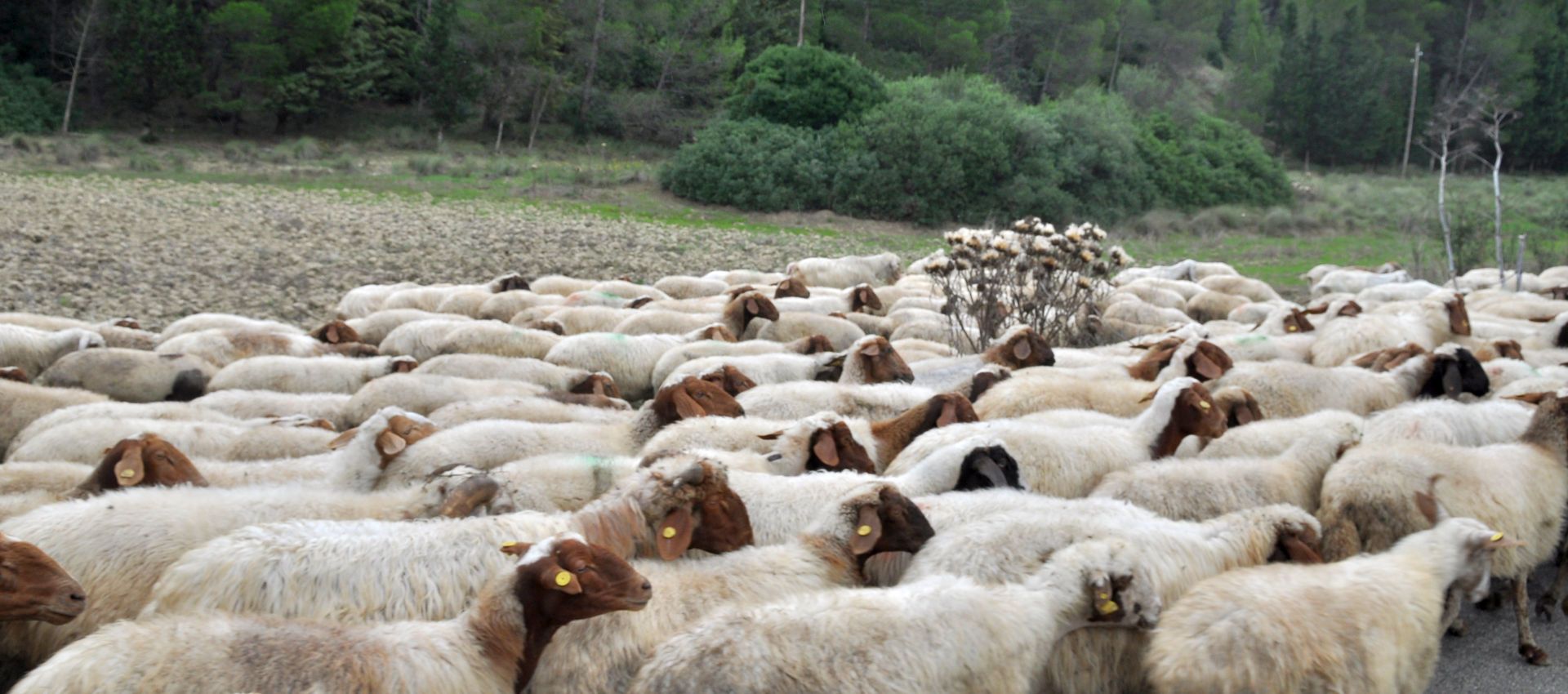
Transhumance
-
PETRA
Holiday Home
CIN: IT076061B402686001
Vico Piazza Plebiscito, 9
85010 Pietrapertosa (PZ) - Italy
Tel: +39 349 1363761
Email: info@petradolomitilucane.com -
Contact Privacy Email Map Phone Whatsapp Facebook Instagram - Credits: basilicatanet.com

 Sito Italiano